Open Slack. Join a Zoom call. Share a Google Doc. Repeat.
For many professionals across Africa, this is what work looks like today. Remote work has opened doors—breaking down location barriers, connecting talent in Nairobi with clients in New York, or a developer in Kampala with a startup in Berlin. The future of work is borderless.
But here’s the paradox: while remote work creates opportunity, it also limits something crucial—the chance to practice and grow soft skills through physical interaction.
The Remote Advantage: Access and Flexibility
Let’s be clear—remote work is not going anywhere. It’s efficient, cost-effective, and liberating. You can code from Kisumu, present from Kampala, or design from Dar es Salaam, all while collaborating with global teams.
For Africa’s young workforce, remote jobs are a lifeline. They reduce relocation costs, give access to global salaries, and allow people to balance work with personal commitments.
But there’s a hidden cost.
What We Lose Without Physical Interaction
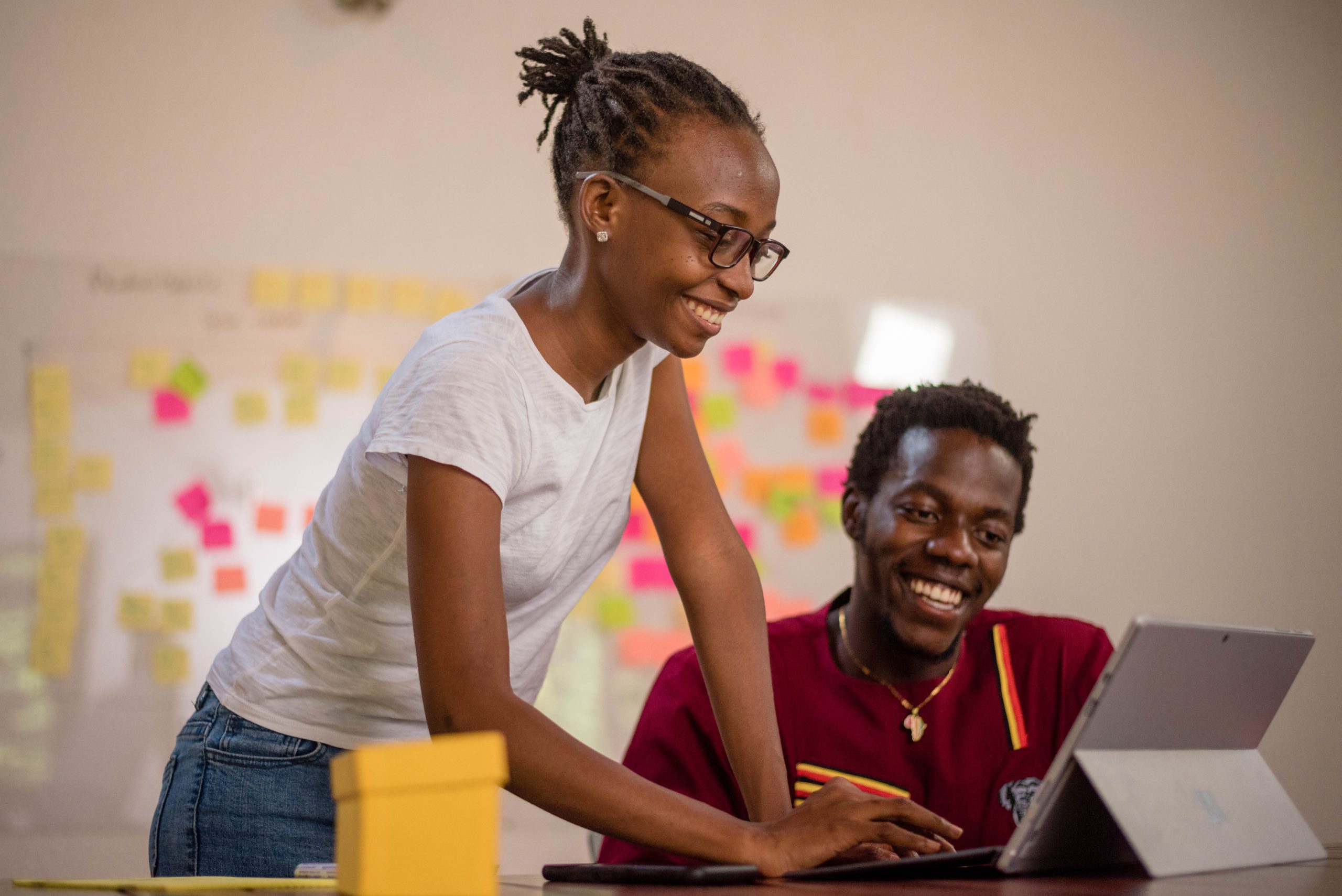
Think about the last time you sat in a meeting room. You didn’t just hear words—you saw body language, tone, hesitation, confidence. You learned how colleagues disagreed, how managers gave feedback, how leaders motivated teams in tough moments.
These moments are harder to capture online. A Zoom square doesn’t teach you how to read the room. A Slack emoji won’t help you navigate real conflict. And when you’re always on mute, you lose the courage to speak up.
In short: remote work connects us, but it doesn’t always grow us.
Soft Skills Are Learned in the Room
Here’s the truth: technical skills can thrive online—you can learn Python, React, or data analysis from anywhere. But soft skills—communication, assertiveness, leadership—are forged in moments of live interaction.
- Giving tough feedback during a face-to-face review.
- Presenting an idea in front of your peers and feeling the silence (or applause).
- Negotiating with a client when the tension is high.
- Learning to listen deeply when words aren’t the only signal.
These are the skills that separate a good developer from a great one. And while remote tools keep us connected, physical interaction accelerates the growth of soft skills.
Hybrid Is the Future
The smartest companies in Africa are realizing this: the future of work isn’t “remote vs. office.” It’s hybrid.
- Remote for efficiency.
- Physical for growth.
That’s why at Tunga Academy, we design training that blends both worlds. Yes, you’ll learn online—because access matters. But we also create opportunities for live interaction, practice, and feedback—because skills only grow when tested in real human settings.
Why This Matters for Your Career
Employers are clear: they don’t just want talent that can code from home—they want professionals who can collaborate, communicate, and lead anywhere.
If you’re only learning behind a screen, you may miss out on the growth that happens when you put yourself in the room.
👉 That’s why we say: don’t just log in. Show up. Practice. Apply. Grow.
Because while remote work gives you the job, it’s soft skills—often learned in physical spaces—that give you the career.